


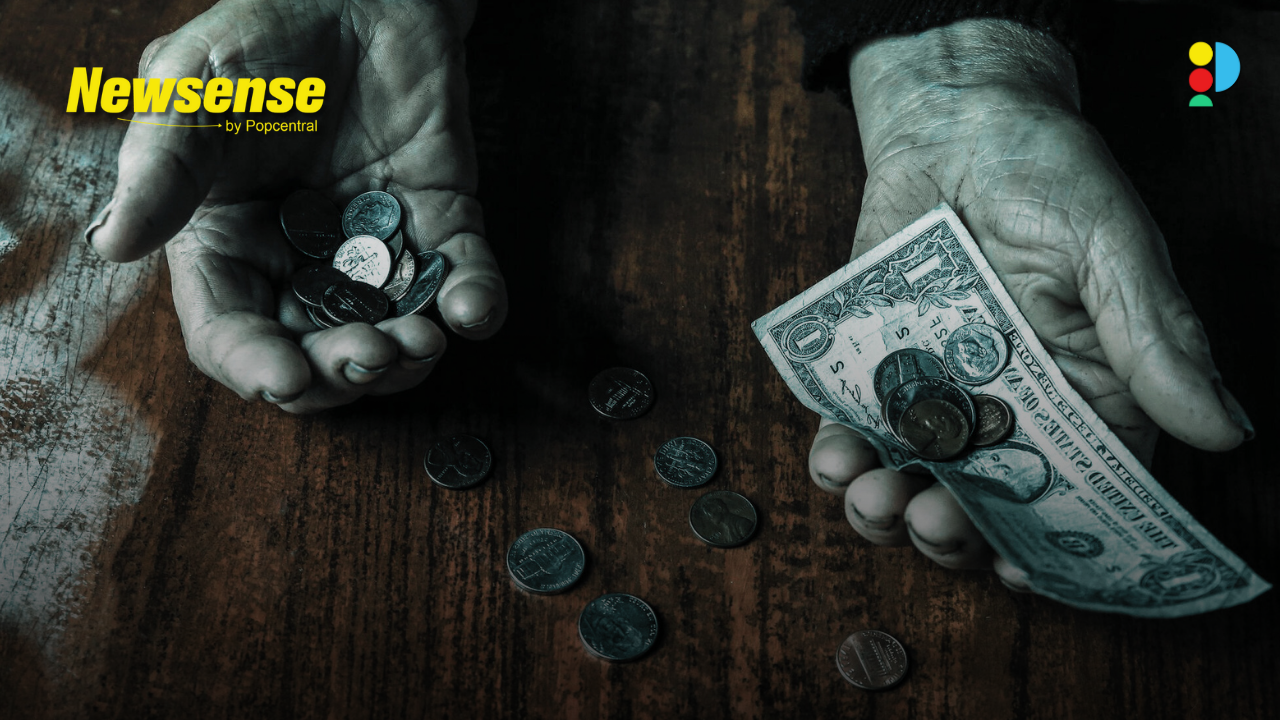
Walk through any Naija market, barbershop or even a big man’s boardroom in Abuja, and you’ll hear the same line: “Nigeria is a rich country.” Oil money, big population, endless vibes, we should be swimming in cash. But for most Nigerians, daily life feels like chasing a mirage. How do you reconcile billions in oil revenue with the reality that 40% of Nigerians live in extreme poverty? That, my people, is the Nigerian Paradox.
This is not another pity party. It’s a wake-up call, and a roadmap for how we flip the script.
Rich on Paper, Broke in Reality
Nigeria has pumped more than $350 billion worth of oil into the system over the last decade. We’re Africa’s biggest population, 230 million strong with energy and ideas bubbling in every street corner. But the daily hustle paints a different picture:
- 92 million Nigerians live on less than $2 a day.
- Power cuts cost businesses $29 billion yearly.
- Roads swallow danfos, hospitals run out of drugs, and graduates hustle side gigs because jobs are scarce.
Oil gave us cash, but it also cursed us. Economists call it the Resource Curse, when easy money from natural resources kills incentives to build real wealth. Instead of investing in agriculture, industry, or education, we became oil-dependent. And that dependence made our economy fragile, corrupt, and addicted to sharing petro-dollars instead of creating value.
How Oil Trapped Us
- Dutch Disease: Before oil, agriculture fed the nation. Once black gold boomed in the ’70s, talent and investment rushed into oil, leaving farming and factories to starve. Today, we import food we could grow ourselves.
- Volatility: Since oil makes up over 90% of exports, every price crash shakes the whole economy. One year we ball, next year we scramble.
- Weak Institutions: Easy petro-dollars made politics the fastest hustle. Governance shifted from taxing productivity to controlling oil rents. Corruption flourished, infrastructure collapsed, and institutions stayed weak.
Lessons from Nations That Beat the Curse
Nigeria is not the first country with this wahala. Others faced the same trap but found a way out:
- South Korea: Poorer than many African countries in 1960, now a $35k per capita economy. Their hack? Invest in education, then climb the ladder from textiles to cars to tech giants like Samsung.
- Singapore: No oil, no land, kicked out of Malaysia in 1965. Their weapon? Clean governance, rule of law, and making themselves a global hub. Today, per capita income is $70k+.
- Botswana: Found diamonds, but avoided the curse by reinvesting smart education, health, infrastructure. Their GDP per capita sits at $7,000, while Nigeria hovers at $2,000.
The message is clear: wealth is created, not dug up.
The Four Pillars Nigeria Needs
If Nigeria must rise, the playbook is simple and tested:
- Radical Institutional Reform: Pay judges and police well, enforce rule of law, kill corruption. Build merit-based civil service and a clean sovereign wealth fund.
- Human Capital Revolution: Universal literacy, skills training, world-class universities, and functional healthcare. Our 100+ million youths are our real oil.
- Infrastructure Masterplan: Reliable power, good roads, working rail, efficient ports, and cheap internet. Productivity thrives on connectivity.
- Strategic Diversification: Turn fertile land into agribusiness gold, revive manufacturing with export zones, and back the new oil, digital and creative industries like fintech, Nollywood, and Afrobeats.
Street-Level Reality
For the Naija youth grinding today, the paradox is personal. You pay for fuel because the grid is down. Imported rice undercuts your cousin’s farm. Job applications rot while “connections” get the offers. You scroll X watching another oil deal while your phone battery dies for lack of light.
But here’s the twist: this frustration is also fire. Naija people are already hacking the future, building apps, innovating on farms, breaking charts with Afrobeats, demanding transparency online. The blueprint is there. What’s left is scaling it with political will and collective push.
Final Word
Nigeria’s situation is not destiny, it’s a choice. Other nations turned similar curses into blessings by betting on people, not resources. With the right institutions, skills, infrastructure, and diversification, Nigeria can shift from oil-sharing to value-creating.
And when that shift happens, prosperity won’t be a mirage. It’ll be real, lived, and lasting.
Stay sharp, Naija fam. This conversation no end here. Catch Newsense on PopCentral TV (DStv 189), and follow us across YouTube, TikTok, IG, and X. Let’s keep decoding the gist that matters for the culture, for the future.
