


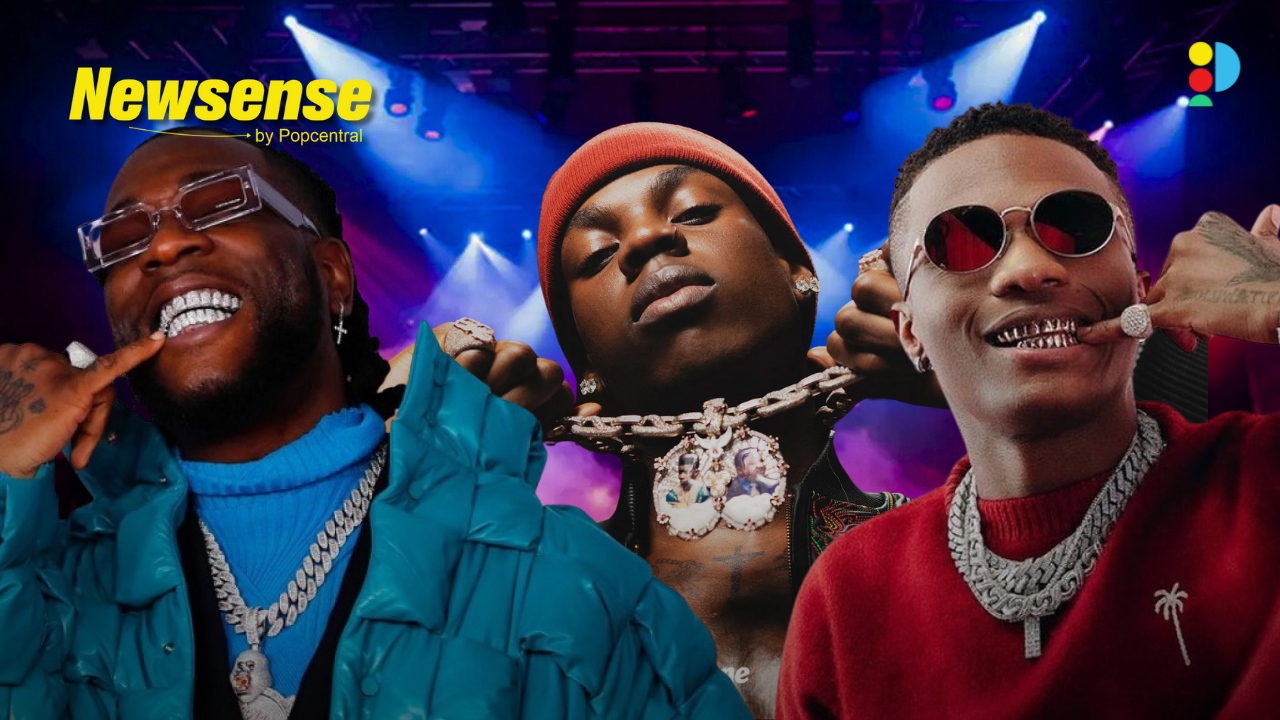
When Burna Boy’s voice roars through stadium speakers in London, or Tems’ silky vocals glide over the credits of a Hollywood blockbuster, Nigerians everywhere feel that jolt of pride. Our sound is no longer “up-and-coming” — it’s here, it’s dominant, and it’s global. But behind the good vibes is a more serious question: How can this cultural wave translate into real economic power — for artists, for the industry, and for ordinary Nigerians?
The answer is rooted in one simple truth: production beats consumption.
From Importing Sounds to Owning the Charts
Two decades ago, Nigerian radio was dominated by American hip-hop, UK grime, and Jamaican dancehall. Today, the script has flipped. Afrobeats, Afropop, and Amapiano-fused Nigerian tracks dominate playlists in Lagos, London, and Los Angeles.
Wizkid, Burna Boy, and Davido headline global festivals. Rema’s Calm Down is one of the most-streamed songs in the world. The numbers back it up — Spotify reports a 550% growth in Nigerian streams between 2017 and 2023. The music industry now injects over $2 billion into Nigeria’s economy annually.
By producing our own music and controlling the writing, recording, and distribution, we keep more money flowing back into Nigerian hands — instead of sending it overseas.
The Harsh Truth Behind the Success
But the glittering headlines hide a less glamorous reality: many Nigerian artists are broke.
Here’s why. In Nigeria, an artist earns about $0.0003 per stream. That means a million streams — which sounds huge — brings in only around $300. In the US or Sweden, the same milestone could pay over $4,000.
Why the gap? Because streaming payouts are tied to local subscription fees. In a country where inflation is squeezing every household, paying ₦900 a month for music is a luxury. Most fans opt for free, ad-supported streaming tiers, which generate far less revenue.
The result is a vicious cycle: low incomes mean fewer paid subscriptions, which means smaller payouts to artists. So while the world dances to Afrobeats, the average producer in Surulere or Port Harcourt struggles to pay studio rent.
Breaking the Cycle
Fixing this requires action on three fronts.
- Government: Economic stability is the foundation. Curb inflation, strengthen the naira, and create policies that help grow creative industries. The stronger the economy, the more people can afford premium subscriptions, concert tickets, and merchandise.
- Fans: Pay for what you enjoy. If you can, subscribe to music platforms. Buy official merch. Go to shows. Share legit streaming links — not pirated downloads. Every naira you spend helps an artist keep making music.
- Artists & Industry: Don’t rely on streaming alone. Diversify — live tours, brand deals, sync licensing (getting songs into films, games, adverts), and merchandising are crucial. Also, invest in the infrastructure at home — high-quality studios, concert venues, and training hubs — so more of the money stays in Nigeria.
Afrobeats as the New Oil
Afrobeats is more than a cultural export — it’s an economic resource we own outright. Unlike crude oil, it doesn’t require billion-dollar refineries to process, and it doesn’t run out. But like oil, it must be refined — not just in sound, but in business strategy.
We have the talent, the global demand, and the cultural influence. What’s missing is the domestic system that ensures artists can thrive financially from their craft, and that ordinary Nigerians can share in the benefits of our musical dominance.
Afrobeats has already conquered the world’s ears. Now it must secure Nigeria’s economic future. The beat is global — but the wealth should be local.
