


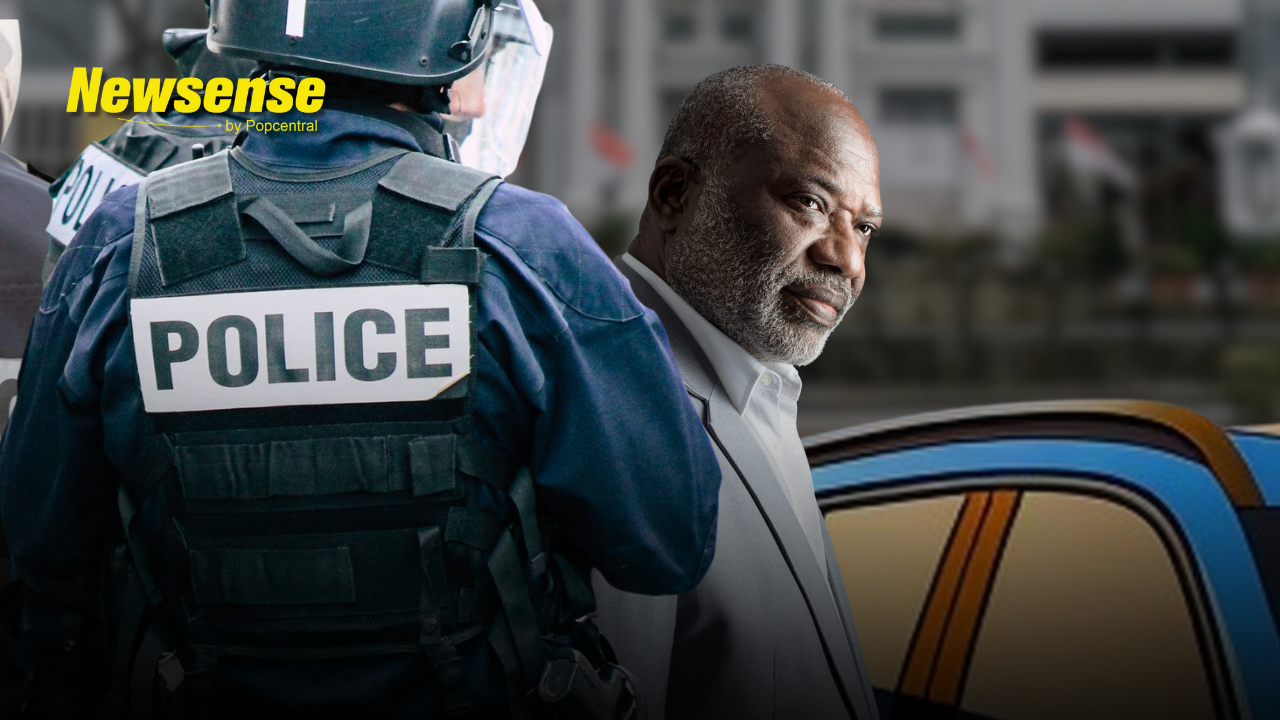
Nigeria at a Crossroads: Can State Police Really Fix Our Security Wahala?
Let’s not sugarcoat it—Naija is in a hot mess when it comes to security. From bandits terrorizing highways to kidnappers snatching people like it’s a day job, and insurgents turning whole communities upside down, the system is stretched thin. The police we have—one centralized force from Abuja—is looking more and more like a relic from the colonial and military era. And now, the big debate is back on the table: should Nigeria finally allow states to run their own police forces?
On paper, it sounds like common sense. But in Naija, nothing is ever that simple.
Why People Dey Shout “State Police Now!”
The Nigeria Police Force (NPF) is underfunded, understaffed, and honestly, underperforming. The UN says a proper police-to-citizen ratio should be at least 1 cop to 400 people. Nigeria? Try 1 to 600+. And guess what? Many of those officers aren’t even on the streets—they’re busy guarding politicians, rich men, and VIPs who already have private security. Meanwhile, ordinary citizens dey suffer.
This is where the call for state police comes in. Supporters argue that security works best when it’s local. Imagine officers who actually know the terrain, speak the local language, understand the culture, and can blend into the community. Instead of some outsider from another state, you have people with skin in the game protecting their own.
In fact, that’s how most federal systems work. Check the U.S., India, or even Australia—states and regions have their own police, alongside the federal guys. Why should Naija be different? After all, governors are called “Chief Security Officers,” but can’t even control the police in their states. That’s like being made captain of a ship without the keys to the engine room.
But E Get As E Be…
Here’s where it gets tricky. Nigeria has been here before. Back in the First Republic (1960–1966), regional police were basically used as political thugs. If you were an opposition figure, you could forget about protection—the local cops were likely working for your rival. People fear that giving governors direct control of police could turn into a dangerous power tool. Imagine 36 mini-dictators with armed men at their beck and call.
Then there’s money. Many states can’t even pay salaries on time. How will they fund, train, and equip a full-blown police force? If care isn’t taken, we could end up with 36 underfunded police outfits—each one worse than what we have now. And let’s not ignore Nigeria’s delicate ethnic balance. If state police becomes another avenue for majority tribes to dominate minorities, it could fuel more division instead of unity.
So, What’s the Plan?
Funny enough, this time there seems to be momentum. The Presidency, governors, and lawmakers are—shockingly—on the same page for once. The hot item is the HB 617 bill, which aims to amend the constitution and let states create their own police. To prevent abuse, the proposal includes checks like independent commissions and legislative oversight.
But let’s be real—laws alone won’t save us. If state police is going to work, Naija must build strong guardrails. That means reforming how money flows between federal and state governments, ensuring states have real budgets for security, and most importantly, creating independent watchdogs that can call out abuse. Otherwise, we’re just decentralizing the same dysfunction we already have.
Bottom Line
Nigeria is stuck in a tough spot. The current police system is clearly broken. But the alternative—state police—comes with serious risks if not handled properly. The question isn’t just “should we have state police?” but “how do we make sure state police doesn’t become another weapon for oppression?”
Right now, we have a rare chance to get this right. If Nigeria can combine state-level policing with real accountability, maybe—just maybe—we can start to turn the tide on insecurity. If not, well… same story, different actors.
Naija, the ball is in our court.
