


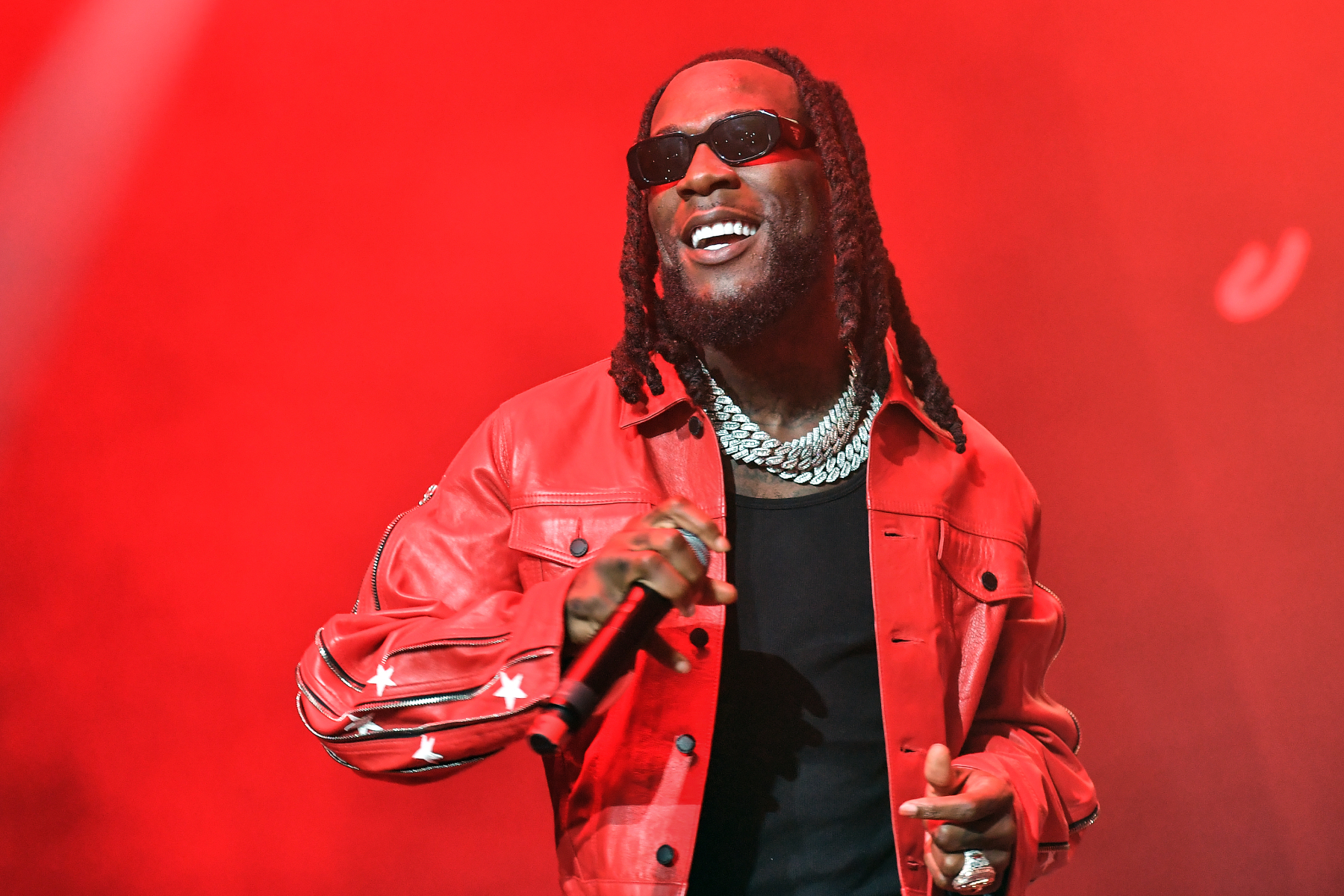
In the high-speed world of Afrobeats, a new status symbol rules: that shiny screenshot of the Apple Music Top 100 Nigeria chart.
You’ve seen it—your fave artist drops it on their IG story with a string of fire emojis.
It’s more than celebration; it’s a declaration of “We run things here.”
But behind the flex lies a bigger question: Is this chase for streaming supremacy helping Afrobeats thrive—or quietly choking its creativity?
Why No. 1 Matters So Much
For global superstars like Wizkid, Burna Boy, and Asake, topping the chart isn’t just for bragging rights. In Naija’s music industry—where there’s no massive stadium tour circuit like in the US, and no Bollywood-style movie tie-ins—a No. 1 hit is a golden ticket.
That coveted position tells brands you’re bankable, convinces international labels to invest, and reassures fans that you’re still on top of your game.
It’s also a lifeline for revenue—when your streams climb, your bookings and endorsements often follow.
No wonder the Apple Music chart has become the most contested battlefield in Nigerian entertainment.
How the Game Is Played
Hitting the top spot is rarely accidental—it’s a well-oiled strategy.
The process often starts on TikTok, where labels pay influencers to spark viral dance challenges. The goal? Create that irresistible 15-second moment that makes people replay the track over and over.
This “TikTok-to-chart pipeline” has reshaped songwriting itself. Many tracks are now shorter, hook-heavy, and optimized for the algorithm—built to be addictive, not necessarily to be timeless.
But where there’s money, there’s murk.
Whispers of payola (paying playlist curators) and stream farming (using bots to inflate numbers) swirl through industry gossip. These tactics fuel suspicion that sometimes, the chart is less about fan love and more about financial muscle.
The Sweet & Sour of Success
Let’s give credit where it’s due—the chart obsession has supercharged Afrobeats’ global reach.
Streams are booming. Nigerian artists are headlining world festivals, topping UK charts, and now even have a dedicated Grammy category.
Yet the creative cost is becoming hard to ignore.
When everyone is chasing that “viral moment,” the sound starts blending into one endless loop—similar beats, similar flows, similar hooks. Innovation takes a backseat, and risk-taking becomes rare.
For up-and-coming talent, it’s even tougher. Without big budgets for promo and influencer campaigns, breaking into the charts can feel impossible. Many end up spending more on marketing than music production itself.
Fan Wars & Pressure
Then there’s the fanbase drama.
Ranking culture has turned music enjoyment into a competitive sport.
“Wizkid FC” vs. “30BG” (Davido’s crew), “Outsiders” vs. “Ravers”—these clashes spill all over X (Twitter) and Instagram, sometimes overshadowing the music itself.
Artists feel the heat, too. The constant demand to “drop another No. 1” can push them into burnout—or into making safer, less adventurous music.
Finding the Real Beat Again
Afrobeats is at a crossroads. The global hype is real, but so is the danger of letting the numbers dictate the art.
For a healthier scene:
- Artists need to diversify—tours, merch, brand deals—so their success isn’t tied to one chart.
- Labels should invest in long-term artist development, not just quick wins.
- Fans must remember: good music isn’t always No. 1 on Monday morning.
Because the true legacy of Naija music isn’t in a screenshot—it’s in the songs that last beyond the algorithm.
The ultimate flex? Not topping the chart for a week.
It’s creating the sound that the whole world will still be dancing to in ten years.
