


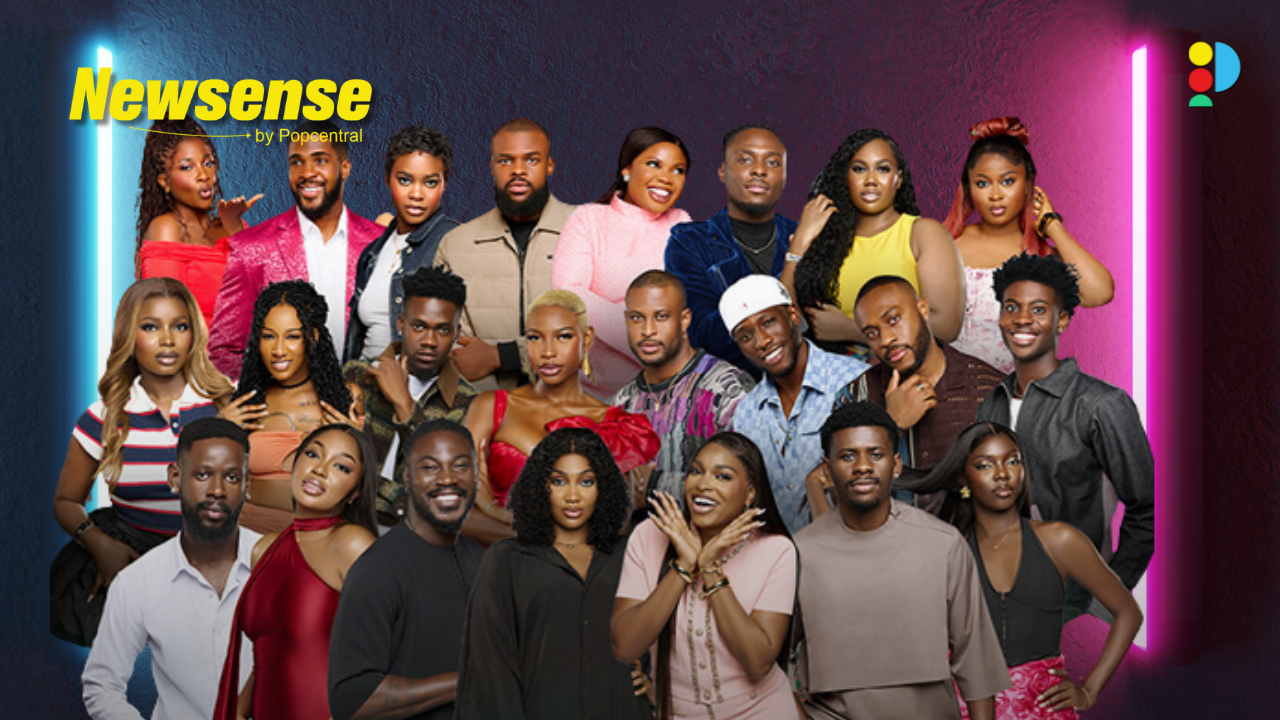
For three months every year, Nigeria practically takes a collective seat on the couch. Phones in hand, data burning, hashtags trending — Big Brother Naija (BBNaija) becomes unavoidable. Whether you’re following the latest situationship in the house, debating eviction strategies, or just watching for the Saturday night party fashion parade, it’s everywhere.
But BBNaija is more than gist and drama. Behind the tears, alliances, and “ship goals” is a billion-naira machine — one of the most effective economic engines in Nigeria’s entertainment space. This is not just TV; it’s a cultural and commercial juggernaut that moves money, creates jobs, and flips small businesses into overnight sensations.
The Money Moves Behind the Magic
Most people think the cash comes from all those SMS votes and app clicks. Cute theory — but wrong. The real lifeline is corporate sponsorships. Every season, brands throw down over ₦10 billion to be part of the BBNaija conversation. Why? Because it’s the single biggest youth audience in Africa, and for 90 days, they’re locked in.
Production is no small spend either. A recent season reportedly cost ₦5.5 billion to run — that’s a purpose-built house, crew salaries, flashy set designs, and the famous ₦120 million grand prize. Yet, with a return on investment north of 100%, it’s pure gold for the parent company, MultiChoice. And beyond the sponsorships, the real kicker? The show drives subscriptions for DStv and GOtv like nothing else.
Jobs, Jobs, Jobs
Forget the “soft life” inside the house — outside, BBNaija is a serious employer. Each season hires more than 3,000 people: camera operators, sound techs, caterers, stylists, makeup artists, bouncers, drivers — you name it. Since its relaunch in 2017, that’s over 10,000 jobs created, without a single government intervention.
For the crew, it’s three months of intense work (and intense paydays). For many freelancers, that BBNaija gig is the biggest cheque they’ll see all year.
The BBNaija Ripple Effect
Here’s where it gets spicy: BBNaija is basically a free nationwide billboard — if you know how to use it. A designer whose dress is worn by a housemate at the Saturday party? Sold out in hours. A musician performing on eviction night? Streams go wild. When Flavour performed on the show, his streams jumped 573% across Sub-Saharan Africa.
For small businesses, this kind of exposure can change everything. And it’s not just fashion and music — from hair brands to snacks, being on BBNaija is like winning a marketing lottery.
From Ordinary to Celebrity — Overnight
The BBNaija house is a star-making factory. One minute you’re an unknown; the next, you’re on every blog, trending on Twitter, and getting endorsement deals. But fame is a tricky currency — it spends fast if you don’t invest it right.
The alumni who win big post-show — think Tobi Bakre, Laycon — already had talent or a clear brand before the fame hit. They used the platform as a launchpad, not a lifeline. Others? The spotlight fades, and the bookings slow, proving that fame without a plan is just a 90-day sugar rush.
Beyond Entertainment — The Orange Economy
BBNaija isn’t just a show; it’s a serious player in Nigeria’s “Orange Economy” — the creative sector that fuels culture, commerce, and global perception. It’s a privately-funded stimulus package, a training ground for media talent, and a case study in how to turn content into cash.
Love it or hate it, the BBNaija effect is real. It’s where vibes meet value, where gist turns into jobs, and where brands pay billions just to sit at the table. And as long as Nigerians love stories, drama, and a little chaos, Big Brother will keep the lights (and the economy) on.
