


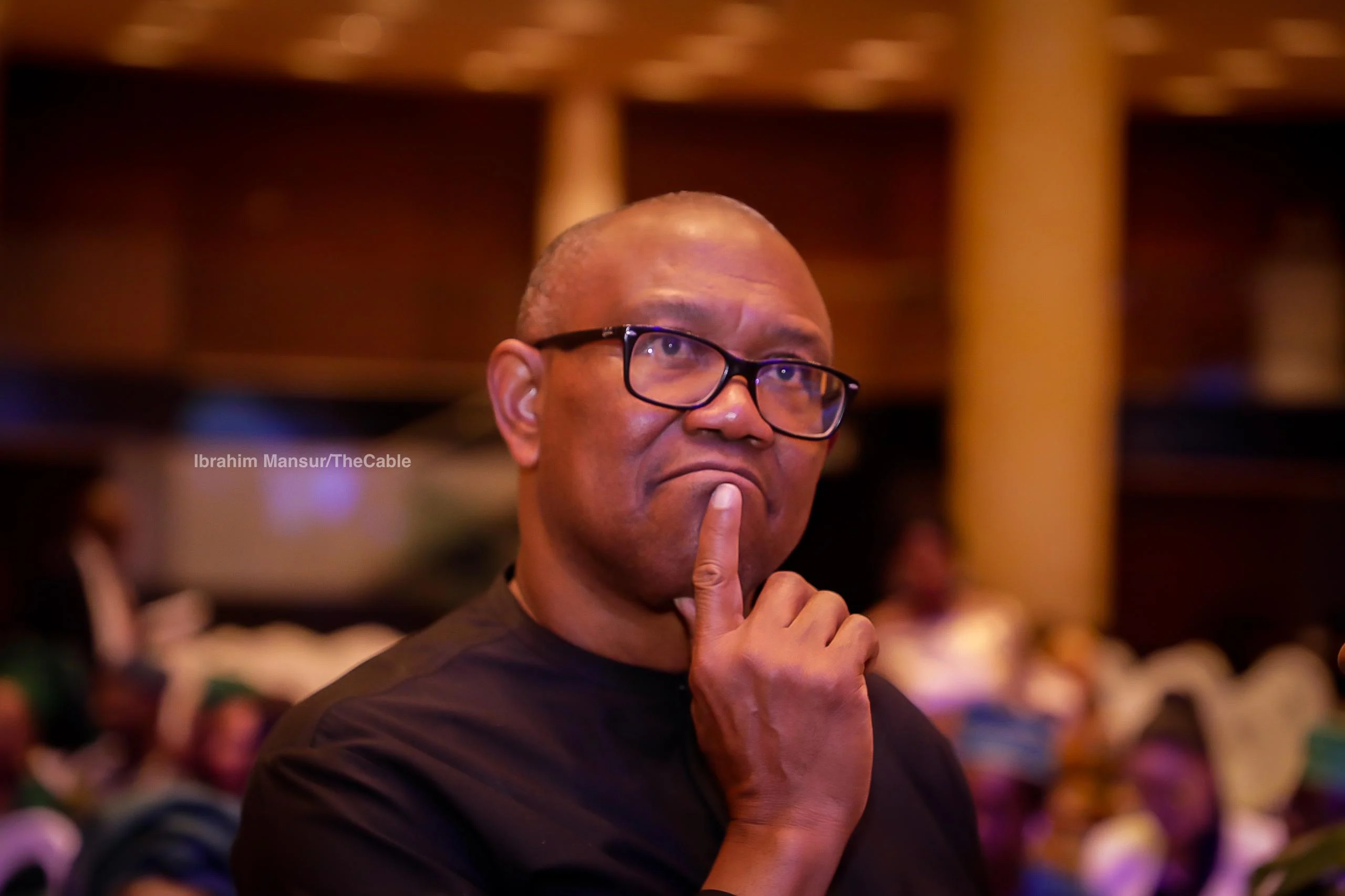
In Nigeria’s political marketplace, promises are everywhere. Politicians sell them like suya, plenty of smoke, but sometimes no meat inside. Yet in this noisy arena, Peter Obi, Labour Party’s 2023 presidential candidate, has dropped a pledge that’s hard to ignore:
If elected in 2027, he will only serve one four-year term.
In a country where many leaders cling to power like it’s glued to their hands, Obi’s vow is bold enough to spark arguments from Lagos to London. The big question: is it a genuine plan to fix Nigeria, or just a smart branding move to stand out?
The Nigeria Obi Wants to Fix
Before we judge the vow, let’s be real about the Nigeria it’s aimed at.
Yes, Nigeria’s debt-to-GDP ratio is “only” 39.4%, a number that sounds fine on paper. But in reality, debt repayments are eating into the budget so much that funding schools, hospitals, and security is becoming a luxury.
Over half the population, 54%, lives in poverty. In rural areas, that number shoots up to 75%. For young people, the official unemployment rate is 6.5%, but the real hustle shows something closer to 42.5% without steady work. That’s a lot of frustrated energy, a lot of dreams on pause.
This is the Nigeria Obi is talking to, one where people are desperate for change, but also deeply suspicious of political promises.
The Branding Argument: Obi the Selfless Statesman
Skeptics think the one-term promise is political marketing gold.
In a system where the thirst for power is endless, promising to walk away after four years makes Obi look like a rare breed, a leader not interested in hanging on forever. The comparison to Nelson Mandela is tempting; Mandela famously stepped aside after a single term.
It’s also a clever coalition-building tactic. If you tell political heavyweights, especially in the North that power will rotate sooner, they might be more willing to back you. It paints Obi as a “bridge” president, a temporary leader to steady the ship before passing the wheel.
The Governance Argument: Obi the Focused Fixer
Supporters see it differently. For them, the vow is less about image, more about results.
A president not chasing re-election is a president free from political blackmail. No campaign donors to please for a second run. No endless handshakes to secure votes. Just four years to make unpopular but necessary decisions.
They point to Obi’s time as Governor of Anambra State. He built a reputation for fiscal discipline, cutting waste, and prioritising essentials over politics. Imagine that style, multiplied at the national level:
- Slash corruption without worrying about upsetting “big men.”
- Pump money into security, education, and healthcare.
- Push through reforms at full speed, knowing there’s no second-term safety net.
This is the “shock therapy” theory, hit the system hard, fix what you can, and hope the momentum carries on after you leave.
But Is Four Years Enough?
Here’s the risk: Nigeria’s problems aren’t potholes you can fill in a weekend. They’re mountains. Real, stubborn, generational challenges.
Even the most determined one-term president could become a “lame duck” quickly, with entrenched interests simply waiting him out. And without strong safeguards, any reform could be undone by the next person in power.
Why This Promise Still Matters
Whether you believe Obi’s vow is genuine or strategic, it forces Nigerians to ask deeper questions:
Is leadership about holding office for as long as possible, or about delivering impact in the time you have?
A four-year sprint won’t solve all of Nigeria’s problems. But it could reset the pace, show that politics doesn’t have to be a lifetime career, and maybe, just maybe inspire a new kind of leadership culture.
For 2027 voters, the decision is simple but heavy: is Peter Obi’s one-term promise the spark for real progress, or just the boldest CV move in Nigerian politics?
