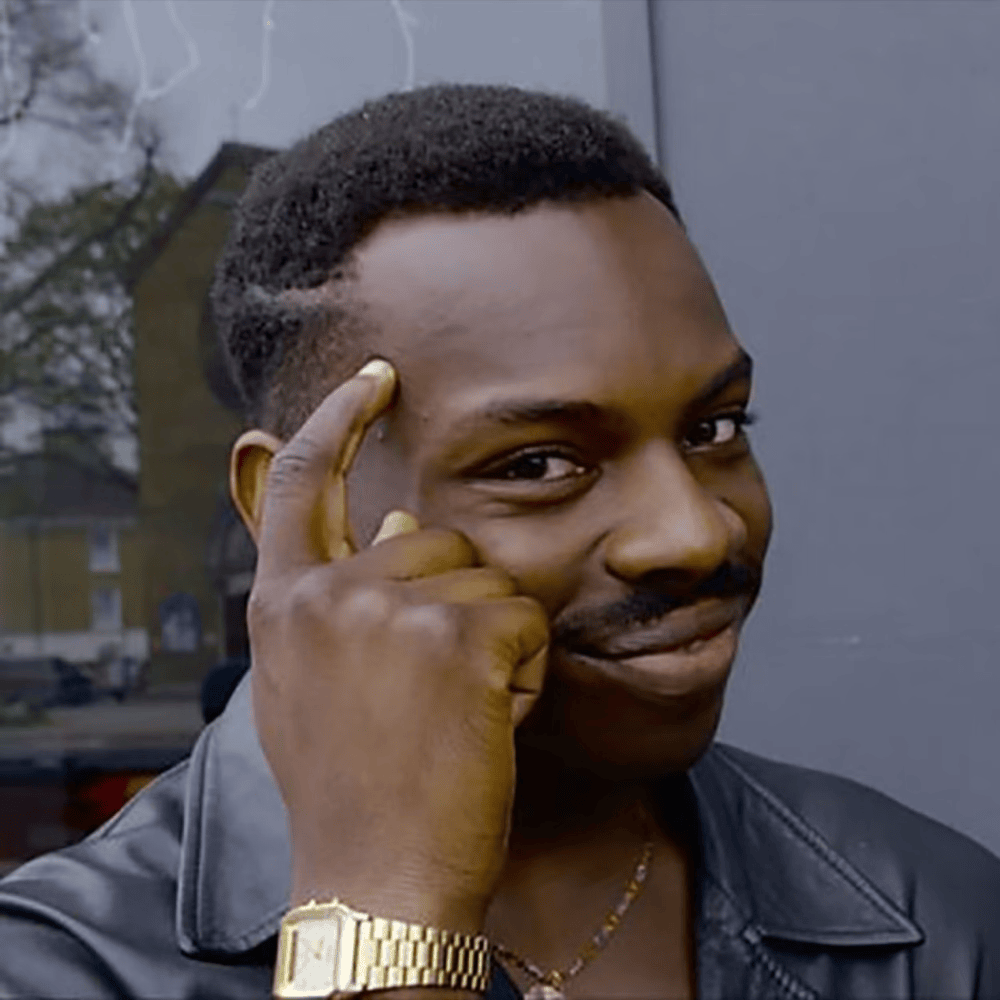
When was the first time you ever saw a meme? Think about it. Pause reading this and sit to think about it like ‘Pawpaw’ in this meme below:

I don’t know about you, but when I think back, I can’t exactly remember the first time. I can remember the era, though – the era it started to become a widespread social media sensation. It was sometime around 2010, and I was in secondary school; my sister had just sent me a new Blackberry Bold 5 from America and I was officially a part of the pinging cool kids; it didn’t matter that it was used. Facebook was the biggest social media platform at the time, and lots of funny videos and pictures had started to make their way mainstream. These images with text on them had become a very interesting way to discuss trending pop culture events, and we were loving it, even though I didn’t know what it was called.
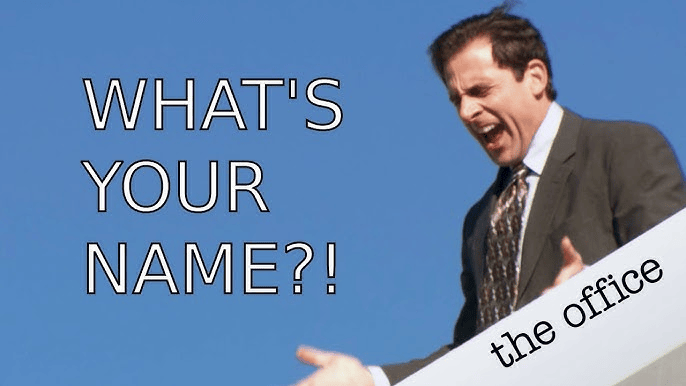
Then, one day, I was watching the Ellen D’Generess show with my siblings, and I heard the word for the first time. She called it a meme! Although she pronounced it as Meh-meh, which was wrong and now that I think about it, very cringy, she did announce that the thing I had been enjoying had a name and that more people around the world really knew about it.
From then on, meme culture has only grown, and to tell you the truth, I don’t see it going anywhere anytime soon because, believe it or not, memes have been in existence for over a century. And I have a good feeling our generation won’t be the ones to drop the meme ball.
Yup! You heard me. Over a century!
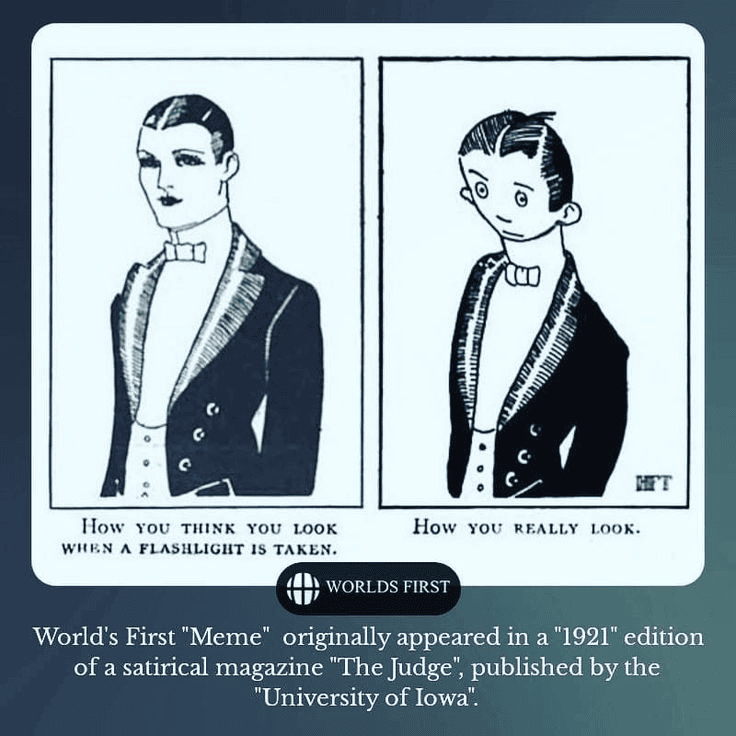
The first meme was spotted in 1921, in a satirical magazine titled, ‘The Judge’ and now, that you know that, I would like to introduce you to Memetics!
Memetics is the study of memes. It’s a field that examines how memes—ideas, behaviors, styles, or practices—spread and evolve within a culture. And a person who studies memes is called a memeticist. Cool, right?
The very first known memeticist, or in a much realer sense, the first “Meme Lord”, who actually coined the term, ‘meme’ was Richard Dawkins, in his 1976 book, ‘The Selfish Gene.’
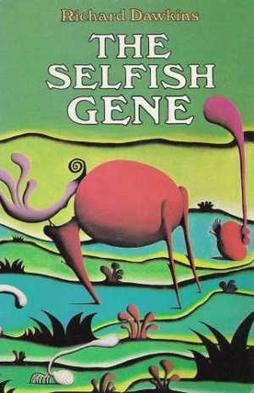
In The Selfish Gene, Dawkins introduced the idea that cultural information can be transmitted and replicated in ways similar to biological evolution. Memetics looks at how ideas gain popularity, spread, and mutate, often focusing on internet culture today.
Therefore, just like cells, phonemes, and morphemes, memes are scientifically defined as the self-replicating basic units of cultural information. As linguist Kirby Conrod explains, memes spread like inside jokes or catchy jingles, reproducing themselves as we share and repeat them. That may be why you can’t remember the first meme you saw. It must have felt like second nature because…It is. Basically, it was the internet before the internet, but with more thinking and less “lol.”

Before the internet arrived and turned memes into images we could see on our devices, we shared memes through words, inside jokes, and sometimes hand-drawn images. If you grew up in Nigeria, there were certain things we used to do that became so widespread – they became memes.
One example is the popular Cowbell jingle that goes: ‘Cowbell, our milk!’ How did that song become synonymous with making fun of people who have been shrugged off, blown off or given, what we call, ‘ela!’?
If you know, you know. If you don’t, this is my reaction to you:

The fact that this singular cultural expression was so widespread across Nigeria made it a meme. So, culturally, memes are by-products of ideas, events, and cultural happenings packaged with humour and propagated. Take, for example, one of the most successful memes in recent times – the James Franco, ‘First time?’ meme.

Meanwhile, when you’re diving deep into the world of memes and how they’ve evolved, like we are doing right now, you’re basically engaging in memetic analysis—fancy, right? Well, welcome to this class on Memetics.

Ah, memes! A girl’s best friend, a guy’s gee, and the best thing since sliced bread and party Jollof rice. You know? The thing you scroll through when you’re supposed to be working or studying, but somehow three hours later, you’re still there, laughing uncontrollably. I can’t blame you because we’ve all been there. Who am I to judge you?
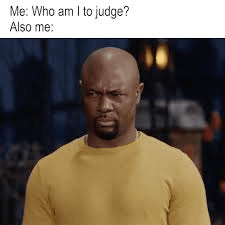
Memes have become so widespread and accepted that Nigerian memes have become our national language of “laughter through pain.” Memes have become a way through which we communicate, complain, or fight. Because truly, there is a meme for everything! And that’s because everyone can make a meme out of anything!
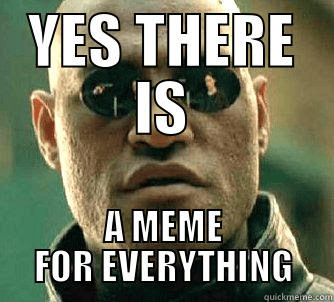
When it comes to memes, no subject is off-limits. That is both exciting and scary. But yeah, in this part of the world, memes aren’t just funny—they’re a survival tool. When something goes wrong, you don’t need to organize a protest or call into a radio show. Just fire up your phone, slap some text on a picture, and boom, you’ve said what needs to be said. It gets people who can relate laughing, it’s passed around, and there you have it.
Honestly, if you can’t laugh at the situation in Nigeria, you’re going to cry, and we’ve collectively, through Speed Darlington’s famous quote, decided that laughter is the better option. That’s all.

Whether it’s fuel price, ASUU strikes, or many other problems we collectively face as a people, memes have become our way of saying, “It is well,” without actually saying it.


Memes are such a prominent part of pop culture. So prominent that memes have their own figures: Pawpaw, Odunlade, Sabinus, Nkem Owoh and a host of others. Celebrities aren’t just entertainers—they’re meme inspirations, constantly providing content for the internet to remix and roast. It’s like an unspoken agreement: they live their lives, and we turn their lives into memes.
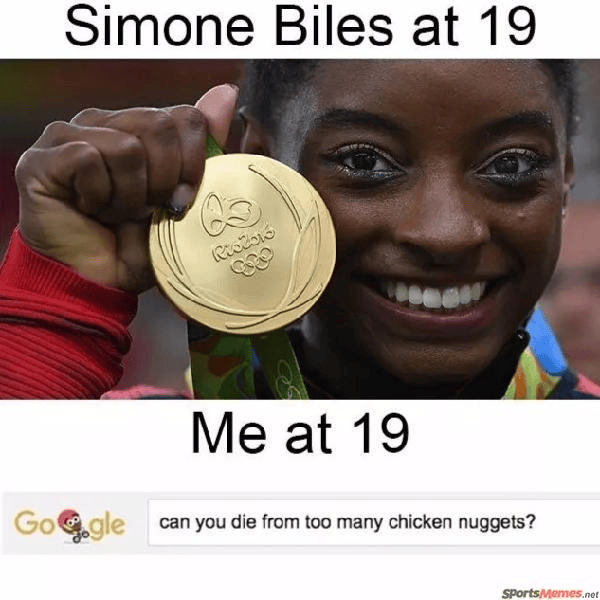
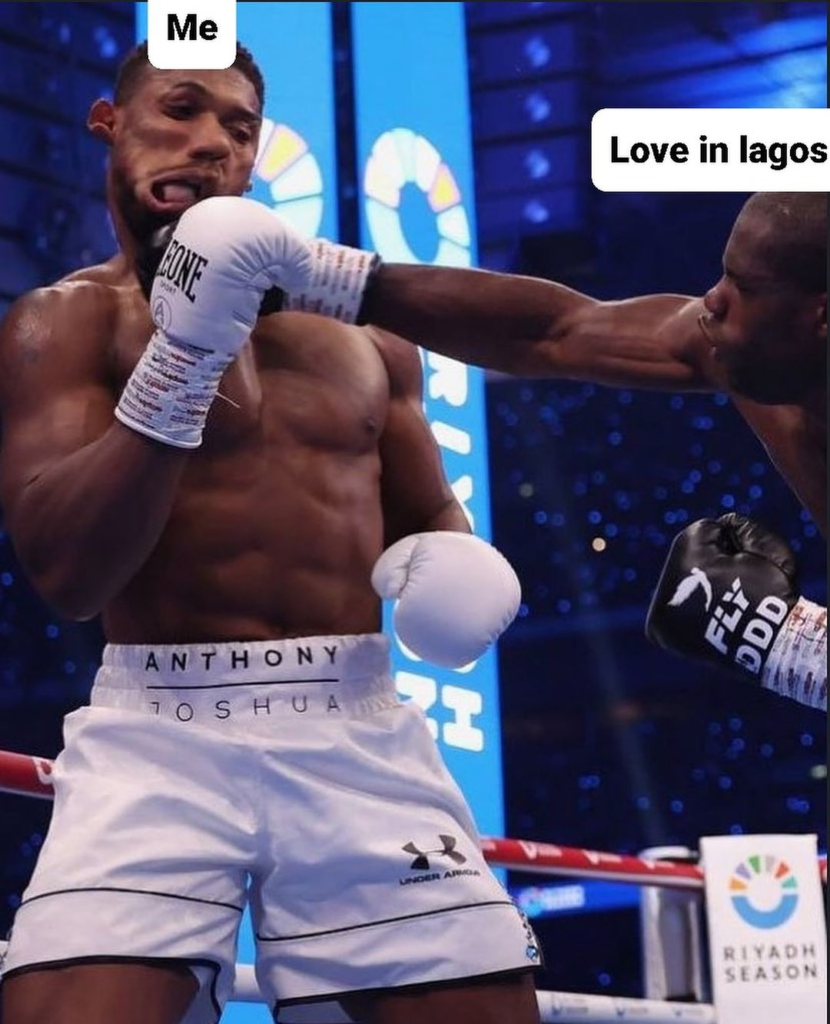

Memes are so funny because they’re true and super relatable, and that’s the beauty of it. It’s not just fuel, either. Politics? Covered. The economy? Oh, you bet memes have something to say. Adulthood, Nigerian parents? The memes are abundant!
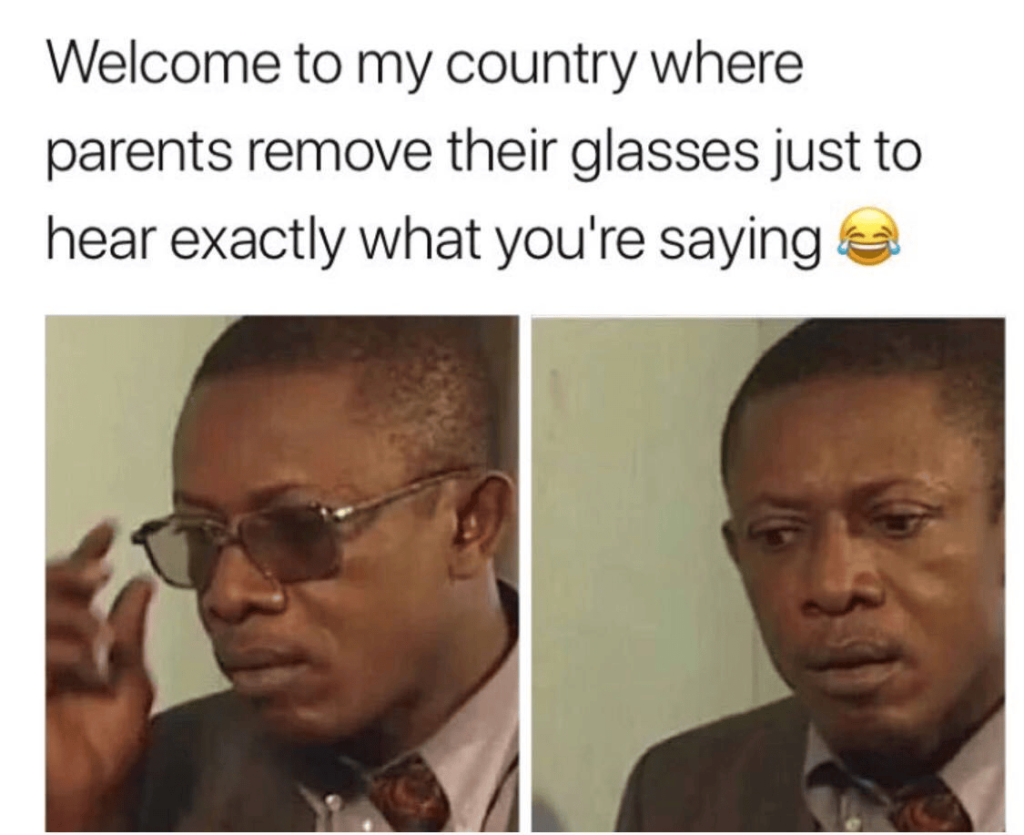
Memes have proven they can do more than make us laugh—they can drive real change. Remember #EndSARS? While people were protesting in the streets, memes were doing the same online. There were memes mocking the police, memes rallying people to join the cause, and memes that captured the pure frustration of being Nigerian. The memes weren’t just funny; they were motivating, and they gave the movement a visual identity that united people, whether they were on the streets or behind a screen.

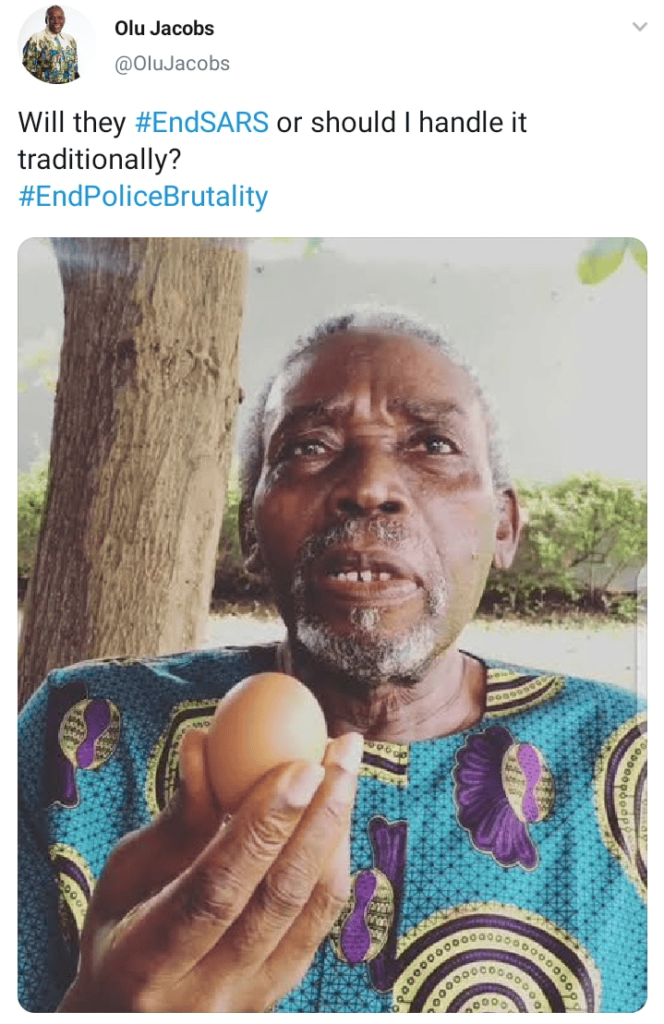
At the end of the day, memes are more than just jokes. They’re a form of therapy for a country that deals with a lot. When you’re stuck in traffic for two hours because of a pothole the size of a swimming pool, memes remind you that you’re not alone. When the government announces another hike in fuel prices, and your bank account disagrees, memes make it easier to laugh through the pain.
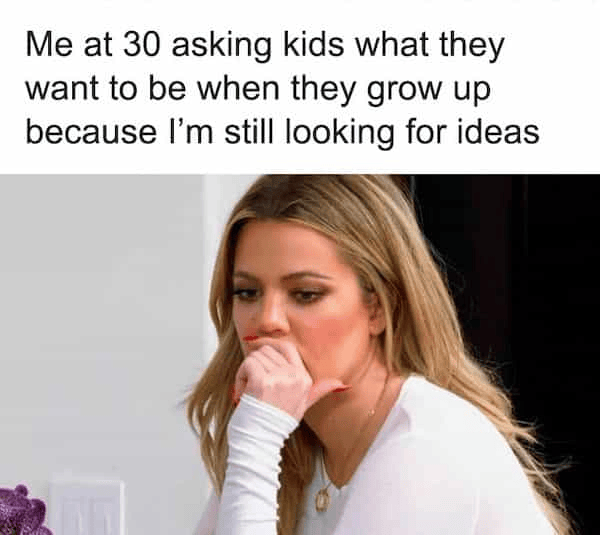
Memes are how we cope, how we speak out, and how we stay connected. They’re our unspoken agreement that no matter how tough things get, we’ll always find a way to laugh.
Some memes need not even have write-ups on them to make sense to us; like those eye-contact conversations you have with your sibling or best friend when something crazy is going down. Take, for instance – This meme below.

Tell me you don’t know the words that come next…
This conversation wouldn’t be complete without giving props to all our generous meme plugs and meme lords out there – These are the friends, colleagues and family members you have, whose occupation is simply to go out there, come rain come shine, in search of memes to share with their audience. You know who I’m talking about – the moment you start viewing their story, it’s all laughs from start to finish.
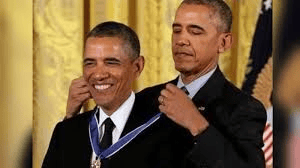
Send this to them and tell them thank you for all the work you do. We see you, we love you. Give them their flowers. Oops! They already took it. If you’re a meme Lord, don’t wait for anyone to appreciate you; Take that medal! You do so much.
So next time you find yourself scrolling through Nigerian memes and laughing at something that’s actually pretty sad when you think about it, just remember, you’re participating in the greatest social commentary of our time. And it’s absolutely hilarious…Or not. Just, think about it.