


“There is absolutely no reason why Asake should be having Idris Elba do the narration for this documentary with these cringy ass pronunciations of our Lingo. What does “Lungu Boy” stand for if indeginious narrators can’t do the Job. Trash it. “ – A Nigerian man on X
So, above is an actual tweet from a Nigerian X user whom I’ve decided to leave very anonymous. The genesis?
This week, a video dropped with powerful visuals that showcased Asake’s roots, journey, and his rise to fame. This short ‘Lungu Boy’ documentary was narrated by the sensational actor and once upon-a-time sexiest man on earth, Idris Elba. He brought his firm and velvety voice to the project. We could just feel the energy. Well, Elba—despite all his talents—struggled with the pronunciation of some key Yoruba words, and for many Nigerians, that’s a big deal.
Nigerians were quick to point out that Elba butchered the language. The backlash was swift and fierce as Nigerians expressed their frustration and disappointment. Some argued that it was disrespectful for Elba to have taken on the role without being able to properly pronounce the words. Others said that it was a missed opportunity to showcase a Nigerian voice like Segun Arinze.
Asake, whose real name is Ahmed Ololade, has become a major figure in Afrobeats, blending Yoruba culture and language into his music in ways that have resonated deeply both locally and globally. His songs often tell stories of his roots, and his documentary was supposed to shine a light on the man behind the hits. But when a cultural icon like Asake is the subject, authenticity matters. Right?
We’ve come to know Asake as that rebel, the musician who does what he wants when he wants to. The YBNL star didn’t just go into the limelight. He arrived there in grand style! With his new sound, new vibe, new way of dressing, and heck, new way of making videos! He got his army and was instantly an international sensation.

Mr Money with the vibe did what people said couldn’t be done, what people doubted could happen – Make core Youruba afrobeats music go global! Mr Money with the Vibe sold out the 20,000-capacity 02 Arena in London, UK for the second time and Idris Elba presented a plaque to him for that amazing feat!
But yeah, Nigerians seem only to be concerned about this documentary. It has left Nigerians frustrated and disappointed in Asake and his team. But I believe Nigerians are a bit two-faced in the fact that just a few weeks ago, we were celebrating Nicki Minaj for using pidgin in her rant while we now berate Idris Elba, who has been a friend of the culture for much longer, for doing well, something similar.
The most painful part about the chaos and rancour on Nigerian X on this issue is the small-mindedness. If only, we were taking this opportunity to have a bigger and larger conversation. Perhaps about how African actors ought to be given African roles to play, instead of American and British actors faking an African accent, which we have all come to agree to call, a ‘Wakanda’ accent.
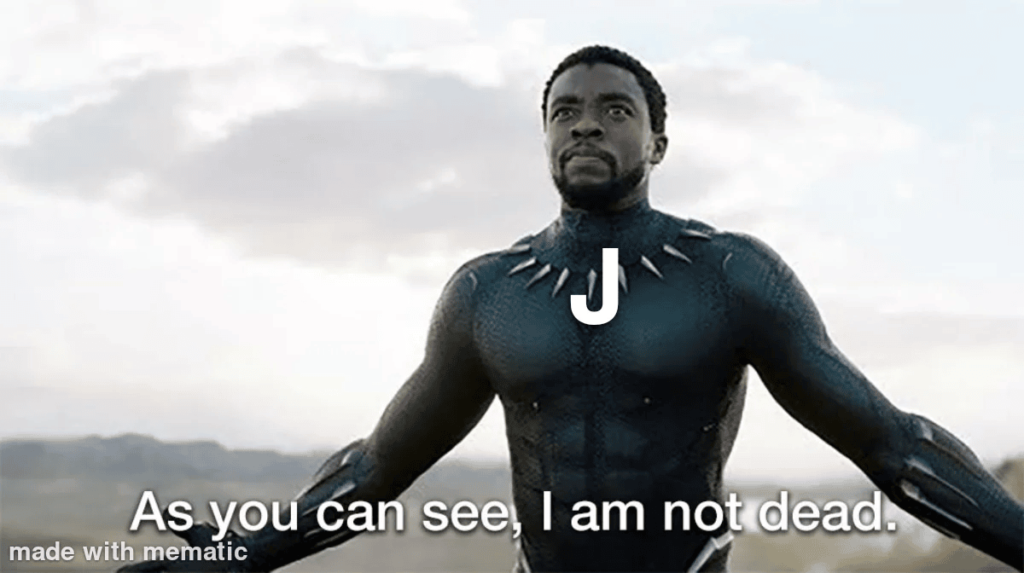
A Wakanda accent is that fake African accent that American actors or British actors do, which is supposed to be African, but just ends up sounding like an entirely new accent because the intonations are wrong and no African can truly hear themselves in the conversation – one that doesn’t exist. An accent from a mystical land – Wakanda.
But here’s my two cents on the matter. If anybody should be getting backlash for voicing Asake’s documentary, it shouldn’t be Idris Elba. Why? Because Idris Elba has proven time and time again to be rooting for Africa, Africans, and African stories.
I’ll start by talking about his role in the 2015 film, ‘Beast of No Nation’ which is based on a book written by Uzodinma Iweala, the son of ‘you know who’. He immersed himself in that role although, like this Asake’s documentary, his role had mixed reviews. So, let’s stick to other examples, shall we?
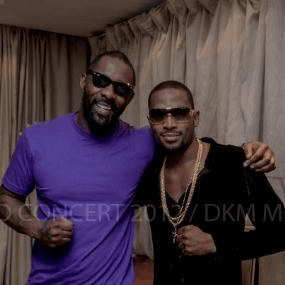
Earlier this year, Idris Elba teamed up with Mo Abudu and the Ebony Life Studios to direct a film titled, ‘Dust to Dreams’ which had a lineup of actors like Nigerian-American musician, Seal, Nse Ikpe Etim and Eku Edewor. Over a decade ago, in December, 2012, Idris Elba arrived in Nigeria to attend D’ Banj’s ‘koko concert’.
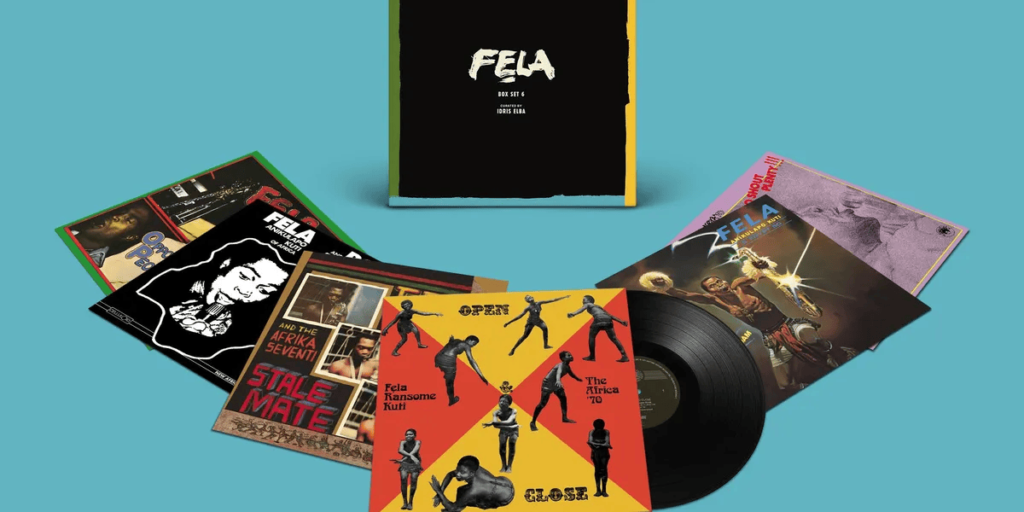
That’s not all. Last year, Idris Elba curated a Fela Kuti box set, celebrating the father of Afrobeats. It features iconic albums like Open & Close (1972), Music of Many Colours (1980), and Live in Amsterdam (1983). The set includes a 24-page booklet with lyrics, insights by Afrobeat historian Chris May, unseen photos, and an introduction by Elba. It also comes with a special poster designed by Fela’s iconic album cover artist, Lemi Ghariokwu.
As a musician and music lover himself, he has been a firm supporter of Afrobeats for decades now. Idris Elba started as a DJ in his teenage years, with the DJ name, DJ Big Dris. As a DJ, he played multiple nightclubs in London and even major festivals like Coachella.
And in recent times, he has more than supported Afrobeats artists and amplified their sounds on his platform. He even set up a record label, 7Wallace, which allows him creative freedom and the ability to nurture new talent. Elba frequently incorporates Afrobeats into his sets, introducing the genre to diverse audiences. And his Spotify catalogue says a lot about his love for Afrobeats. My favourite, being ‘Shake body’.
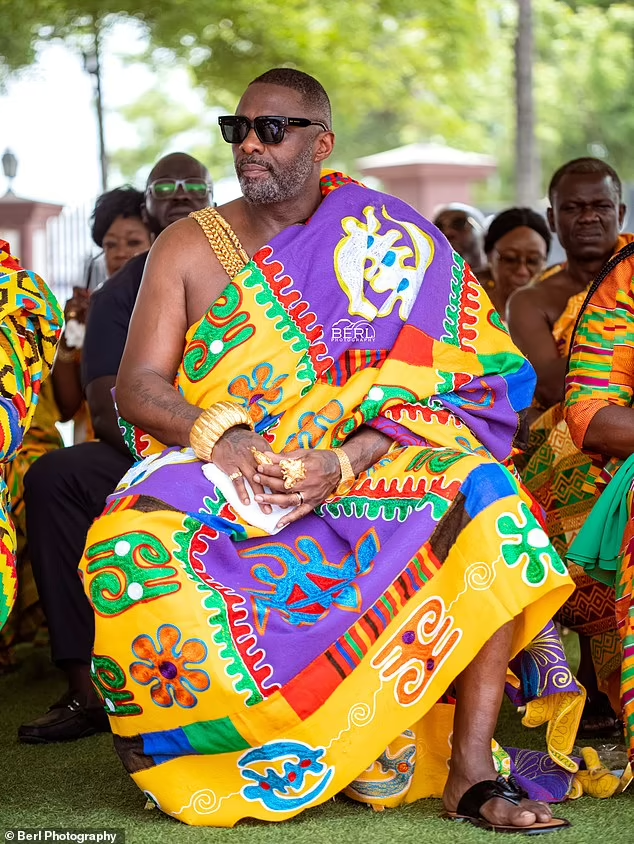
I could go on and on, but one thing is clear. Idris Elba, the superstar with roots in Ghana and Sierra Leone, absolutely enjoys supporting and uplifting West Africans in the best way possible. He has never tried to exploit us like other black Americans or Black Brit celebrities whom I will not mention. He sees himself as one of us because he is one of us. He has been true to his roots and so far, has been doing everything he can to immerse himself in the culture. But I guess after all of this, he still owes Nigerians an apology for his British accent?
I know we feel like our culture is being whitewashed, and trust me, I have that fear too. But something tells me that is not what is happening in this case because, I am sure that is not who Asake is. Like Asake, I will always be in support of putting our culture on the global stage and not bending it or making it easily digestible to the white man.
But the truth is, that people who attended the concert live have said that the voice over we heard was just an intro for Asake to the concert. And to me, that makes sense. Because there’s a part of an artist who also needs to be able to communicate with his audience everywhere around the world. It’s why when top American artistes visit Nigeria, they try to learn some pidgin. Just for the initial communication. You hear them say, ‘Naija, how far?’
And if this short documentary was really the entrance to his UK show in 02, then I don’t see what the fuss is all about, having a UK-Ghanaian-Sierra Leonean, with a British accent, voice it. Because if not Idris Elba, then who? Damson Idris, Chiwetel Ejiofor? Those guys don’t even support the culture half as much as Idris Elba.
Idris was the perfect choice, and Asake’s PR team knew exactly what they were aiming for. Who knows? When they’re in America, they might opt for an American-Nigerian like Yvonne Orji or even a South African like Trevor Noah, whose American accent is well-received, to narrate his introduction. After all, these figures are respected in that space. But once again, Nigerians will likely go wild—missing the point entirely.
For artistes, it’s more than the music. Making an album or selling out isn’t enough anymore. For you to remain a global sensation, you need to be in the business of attention-mining. You need to grab your audience and retain their attention long enough to deliver your valuable product – in this case, African music, Afrobeats.
Asake took the stage and performed his music, deeply rooted in Yoruba culture, without altering a word to cater to the British audience. Yet, because he chose to acknowledge them with an entrance in their accent and used a voice they respect—Idris Elba—we’re protesting?
Nigerians are right to feel protective of their culture, especially as it gains global visibility, but we should sometimes weigh all options before rushing to social media to lash out. Idris Elba voiced Asake’s documentary—so what?
Maybe I’m wrong, but tell me what you think in the comments.
